Some clients have nails that just don’t hold product well, no matter how perfect your application is. The secret often lies in the nail plate type. One of the most common challenges nail technicians face is working with oily nail plates — nails that naturally produce more oil and moisture than others.
Let’s go step by step to understand what causes this and how to achieve perfect, long-lasting results.
1. What Is an Oily Nail Plate?
An oily nail plate has excess natural oils that interfere with product adhesion. This means that even high-quality gels may lift or peel sooner than expected.
Clients with oily nail plates often share certain traits:
Oily or combination skin type
Hormonal changes (such as pregnancy, puberty, or menopause)
Medication use that affects oil production
Hyperhidrosis (excessive sweating of hands)
In these cases, oil from the nail bed acts as a barrier, preventing the base coat from bonding properly to the natural nail. The result? Early lifting, poor retention, and frustration for both client and technician.
2. Prepare the Nail with Extra Care
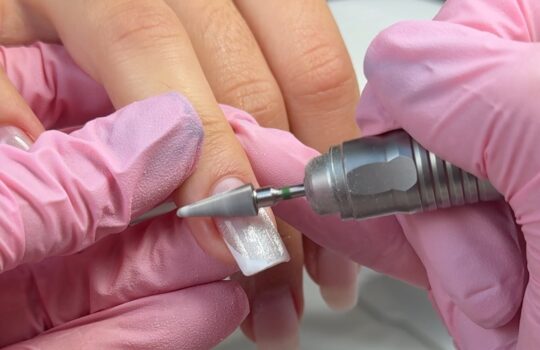
When working with oily nails, preparation is everything. Every small step makes a big difference in how the product holds. Start by cleaning the surface thoroughly and removing shine with a soft buffer. Then, dust off all residue.
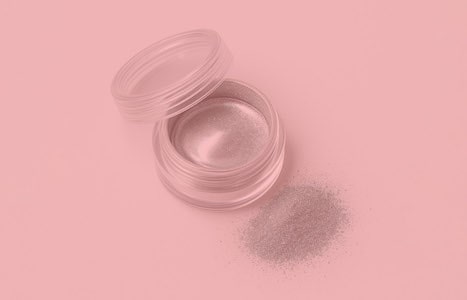
Next, use a talc-free baby powder (any good brand will work). Apply a small amount with a clean brush or lint-free wipe. The powder absorbs extra moisture and helps balance the nail surface. This step prevents the gel from slipping or lifting later.
3. Dehydrate Before Applying Base Coat
Always use a dehydrator or nail prep solution before your base coat. These products remove invisible moisture and natural oils left on the nail.
Apply the dehydrator with a lint-free pad, covering the entire nail plate. Let it dry completely before continuing. This ensures that your base coat bonds directly to the nail, not to any remaining oil or dust.
4. Choose the Right Base Gel
The type of base gel matters just as much as the prep. For oily nails, a higher-acidity base gel gives better results. It helps etch into the nail plate and create a strong bond that resists lifting.
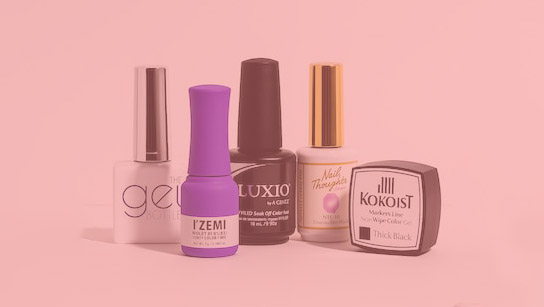
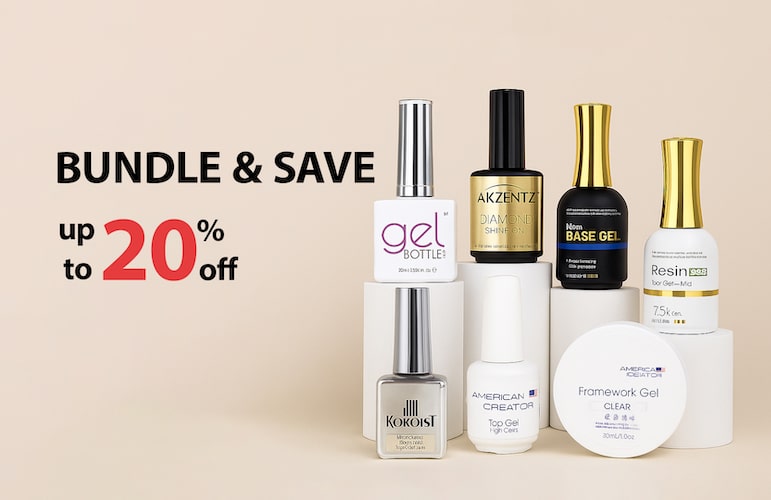
For example, American Creator Base Gel is an excellent choice for this type of nail. Its formula grips even the most difficult surfaces.
If you use a base gel with low acidity, it may not adhere well to an oily surface. The result can be peeling, bubbling, or product separation within days.
5. Final Tips for Better Retention
Make sure the client’s hands are clean and completely dry before starting.
Avoid hand creams or cuticle oils before the service.
Always seal the free edge carefully when applying base and color layers.
Suggest the client avoid hot water or steam for at least 2–3 hours after application.
In Summary
Oily nail plates can be challenging, but with the right approach, you can still achieve flawless retention. Focus on moisture control, proper dehydration, and high-acidity base gels.
A little extra prep makes a big difference — and your client will leave with nails that last beautifully, no matter their skin type or lifestyle.
Photo suggestion: A clean, professional close-up of a nail tech applying dehydrator or powder to a natural nail, with a soft background and bright, neutral lighting.